Kash Patel Clashes with Sen. Mazie Hirono in Fiery Senate Hearing – Exposing Left-Wing Political Bias
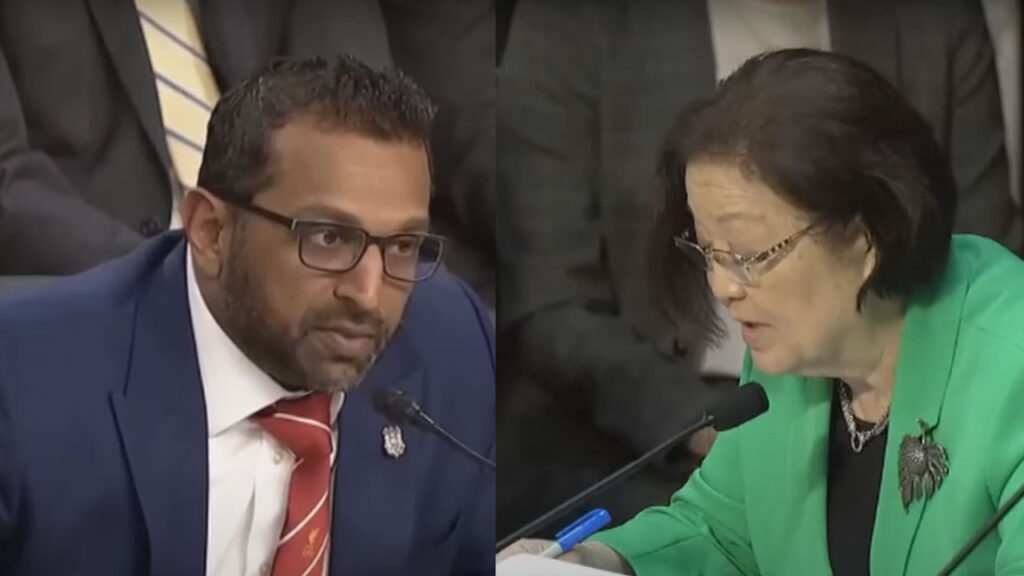
Kash Patel Clashes with Sen. Mazie Hirono in Fiery Senate Hearing, Exposing Left-Wing Political Bias
Washington, D.C. – September 19, 2025 – In a tense Senate Judiciary Committee hearing on Thursday, FBI Director Kash Patel delivered a masterclass in resilience, systematically dismantling aggressive questioning from Sen. Mazie Hirono (D-HI). The exchange, which centered on personnel changes at the FBI since President Trump’s inauguration on January 20, 2025, highlighted what many observers see as blatant political bias from the left, with Hirono appearing more focused on scoring partisan points than seeking substantive answers.
Patel’s testimony came amid ongoing scrutiny of the FBI’s operations under the Trump administration, but the director refused to be baited into providing fodder for what he described as “media hits and fundraising clips.” Instead, he emphasized the agency’s unprecedented achievements, including record arrests and reductions in violent crime, while defending the integrity of FBI hiring and operational standards.
Hirono’s Relentless Pursuit of Turnover Numbers
The confrontation began with Hirono demanding precise figures on FBI employee separations since Trump’s swearing-in. “Since January 20, 2025, how many FBI employees have retired, resigned, been fired, or otherwise separated from employment? I need a number,” she pressed.
Patel responded calmly: “We’ll get you a number.” When Hirono suggested the figure might be “in the thousands, like 5,000,” Patel dismissed it as inaccurate, promising accurate data but refusing to speculate. Undeterred, Hirono fired off follow-up questions about special agents, analysts, and leadership roles, accusing Patel of evading answers.
“You don’t know,” Hirono snapped when Patel reiterated his commitment to providing verified numbers. Patel countered that any terminations were due to failures in upholding constitutional oaths, not political purges. He accused Hirono of repeating questions to manufacture a narrative: “You didn’t get the answer you wanted for your clip, so keep asking it.”
This pattern persisted as Hirono quizzed Patel on which FBI divisions had lost or gained the most personnel. Patel flipped the script, highlighting “plus-ups” in agents across every field office, including Hawaii, to bolster frontline operations. “Every single field office in the country, including Hawaii, has received a plus-up of FBI agents because we’re pushing them out to the field,” he said, crediting these moves for historic crime reductions.
Hirono’s response? “So you’re telling me that no field office, division, or directorate has lost any personnel since January 20, 2025.” Patel clarified that wasn’t his testimony, but Hirono persisted, seemingly intent on portraying the FBI as in disarray under Patel’s leadership.
Defending National Security and Cyber Priorities
Shifting gears, Hirono questioned leadership changes in the FBI’s national security, intelligence, and cyber branches, noting that key executives had been “forced out.” She demanded names of replacements, implying incompetence or political motivations.
Patel refused to name individuals, stating bluntly: “I’m not going to give you any names so you can attack them.” He instead touted results: “Excellent qualified personnel to lead the mission arresting 23,000 violent criminals this year alone. That’s twice as many as before.” On cyber operations, he highlighted 409 arrests and 169 convictions—a 42% increase—dismissing suggestions of diminished capacity.
Hirono also raised concerns about reassigning counterterrorism and cyber experts to immigration enforcement, referencing reports of temporary shifts amid tensions with Iran. Patel clarified that agents “never left their primary job,” describing such moves as “surges” in interagency cooperation to combat violent crime. When Hirono demanded yes-or-no answers, Patel accused her of interrupting for a “soliloquy,” refusing to let her control the narrative.
Hiring Standards and Allegations of Bias
In a particularly revealing moment, Hirono criticized new FBI hiring requirements, including physical fitness tests like pull-ups, suggesting they discriminated against women due to “physiological differences.” Patel defended the standards as essential for field agents: “If you want to chase down a bad guy and put him in handcuffs, you better be able to do a pull-up.” He noted that doing one pull-up “is not harsh” and that medical exemptions exist, framing the changes as upholding the rigor needed for law enforcement.
Hirono concluded her questioning with a scathing assessment, claiming the FBI was “losing dedicated employees” and expertise due to “early retirements, firings, and reassignments.” She accused Patel of prioritizing “100% loyalty to President Trump” over the agency’s mission, echoing criticisms from his nomination process.
Patel’s Powerful Rebuttal
Allowed a final response, Patel eviscerated Hirono’s characterization: “That is an entire falsehood. You can delete my 16 years of government service to multiple administrations all you want.” He listed his credentials—a public defender, national security prosecutor, House Intelligence staffer, deputy director of intelligence, chief of staff at the Department of Defense, and White House counterterrorism lead—insisting his loyalty was solely to the Constitution.
The hearing underscored a broader divide: While Patel focused on FBI successes and operational integrity, Hirono’s line of questioning appeared designed to fuel anti-Trump narratives, prioritizing gotcha moments over constructive oversight. Critics on the right argue this exemplifies left-wing bias in Congress, where Democrats weaponize hearings for political gain rather than addressing real issues like crime and national security.
As the session moved on to Sen. Brett (likely a reference to another committee member), the exchange left little doubt about Patel’s unwillingness to yield to partisan pressure. With the FBI reporting record-breaking results under his watch, the director’s performance may bolster support among conservatives who view such interrogations as evidence of entrenched opposition to Trump’s agenda